
Power vs Technique: Which Type of Boxer Has a Longer Career?
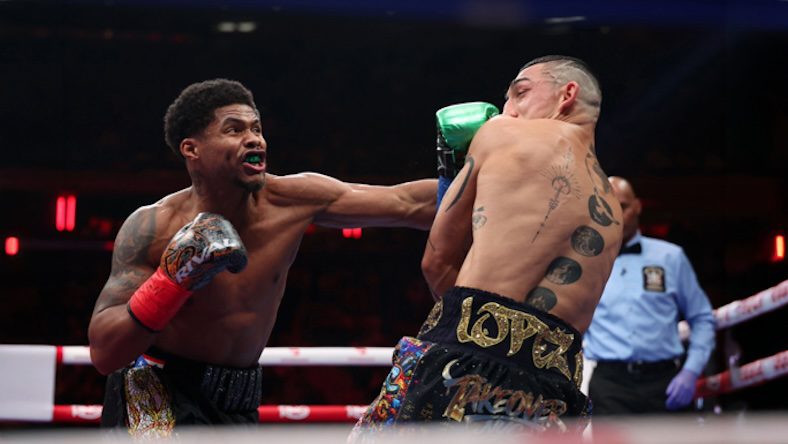
In boxing, the long game usually belongs to the fighter who can solve problems, not just create highlight reels. Power can win fights fast, but technique is often what keeps a boxer effective, adaptable, and relevant over time.
This is one of boxing’s most interesting debates because it goes beyond who hits harder. It asks a deeper question: which style is more sustainable across a full career, and why do some fighters fade earlier than others? The answer is not as simple as “power” or “technique,” but there is a clear pattern that helps explain career longevity.
Power and Technique Defined
Power boxers rely on force, timing, and damage-potential to end exchanges early or change the momentum of a fight. They often look dangerous in every round because one clean shot can change everything.
Technique boxers depend on footwork, defense, ring IQ, punch selection, distance control, and efficiency. They may not always produce the most dramatic moments, but they tend to stay effective because their style is built on solving opposition rather than forcing chaos.
Why Technique Usually Lasts Longer
Technique generally ages better because it is less dependent on explosive physical traits that naturally decline over time. Reflexes, timing, and raw athleticism can fade, but a fighter with strong fundamentals can adjust and remain competitive even when speed drops a little.
A technically sound boxer also tends to absorb less punishment because they are better at defense, spacing, and shot selection. Over a long career, that matters a lot. The fewer unnecessary exchanges a fighter takes, the better chance they have of staying sharp and healthy.
Why Power Can Shorten Careers
Power is valuable, but it can create a dangerous style dependency. Fighters who rely too heavily on punching force may become less effective once their explosiveness declines, their timing slips, or they move up in competition.
Power-first fighters also tend to get involved in more high-risk exchanges because they trust their ability to end fights with one shot. That can make them exciting, but it may also increase wear and tear over time. In boxing, damage accumulates, and career longevity often belongs to the boxer who avoids taking too many unnecessary shots.
The Career Longevity Test
If we measure career length by how long a boxer remains competitive at a high level, technique usually has the edge. Technical fighters can adapt their style as they age, reduce the pace when needed, and lean on ring intelligence when explosiveness drops.
A power puncher can absolutely enjoy a long career, but usually only if they also develop enough technical skill to evolve. The best long-career punchers are rarely “just punchers”; they learn distance, defense, pacing, and fight management.
What Makes a Career Sustainable
Longevity in boxing is not only about talent. It also depends on how a fighter uses that talent across years of training and competition.
The biggest sustainability factors are:
- Defensive responsibility.
- Efficient movement.
- Smart pacing.
- Ability to adapt mid-fight.
- Controlled sparring and training load.
- Avoiding unnecessary wars.
This is why many experienced fighters shift toward a more technical style as they age. Even outside elite competition, technical sparring is often the smarter long-term option because it protects the body while preserving timing, rhythm, and ring awareness.
When Power Still Wins
Power should not be dismissed. In the right hands, it can keep a fighter relevant for years, especially if they have elite timing and a disciplined approach. Some fighters build long careers by pairing power with enough technique to stay safe and efficient.
Power is especially valuable when a boxer can:
- Control range well.
- Set traps instead of forcing exchanges.
- Stay calm under pressure.
- Use power selectively rather than constantly.
- Win rounds without needing a knockout every time.
In other words, power is best when it becomes one tool in a complete skill set, not the entire identity of the fighter.
The Best Long-Term Formula
The most durable boxers usually sit somewhere between the two extremes. They may have power, but they rely on technique to express it efficiently. They may be technically sharp, but they still carry enough danger to keep opponents honest.
That balance usually looks like this:
- Technique creates opportunities.
- Power punishes mistakes.
- Defense preserves the career.
- Adaptability extends prime years.
If you want a career that lasts, technique is the foundation, and power is the accelerator. Without the foundation, the accelerator eventually becomes less useful.
What Fans Should Look For
If you are analyzing a boxer’s long-term future, the question is not just how hard they hit. It is whether they can keep winning when physical advantages shrink.
Look for these signs:
- Good jab and footwork.
- Strong defensive habits.
- Ability to win rounds without relying on knockouts.
- Control of tempo.
- Low-risk shot selection.
- Comfort in difficult fights.
Those traits usually predict a longer and more stable career than brute-force offense alone.
So, which type of boxer has a longer career? In most cases, the technical boxer does. Technique ages more gracefully, reduces damage, and gives fighters more ways to win as their physical gifts change over time.
Power still matters, and it can carry a fighter very far, but it is usually at its most effective when supported by discipline and skill. The longest careers in boxing tend to belong to fighters who can think, adapt, and stay safe while still being dangerous.